
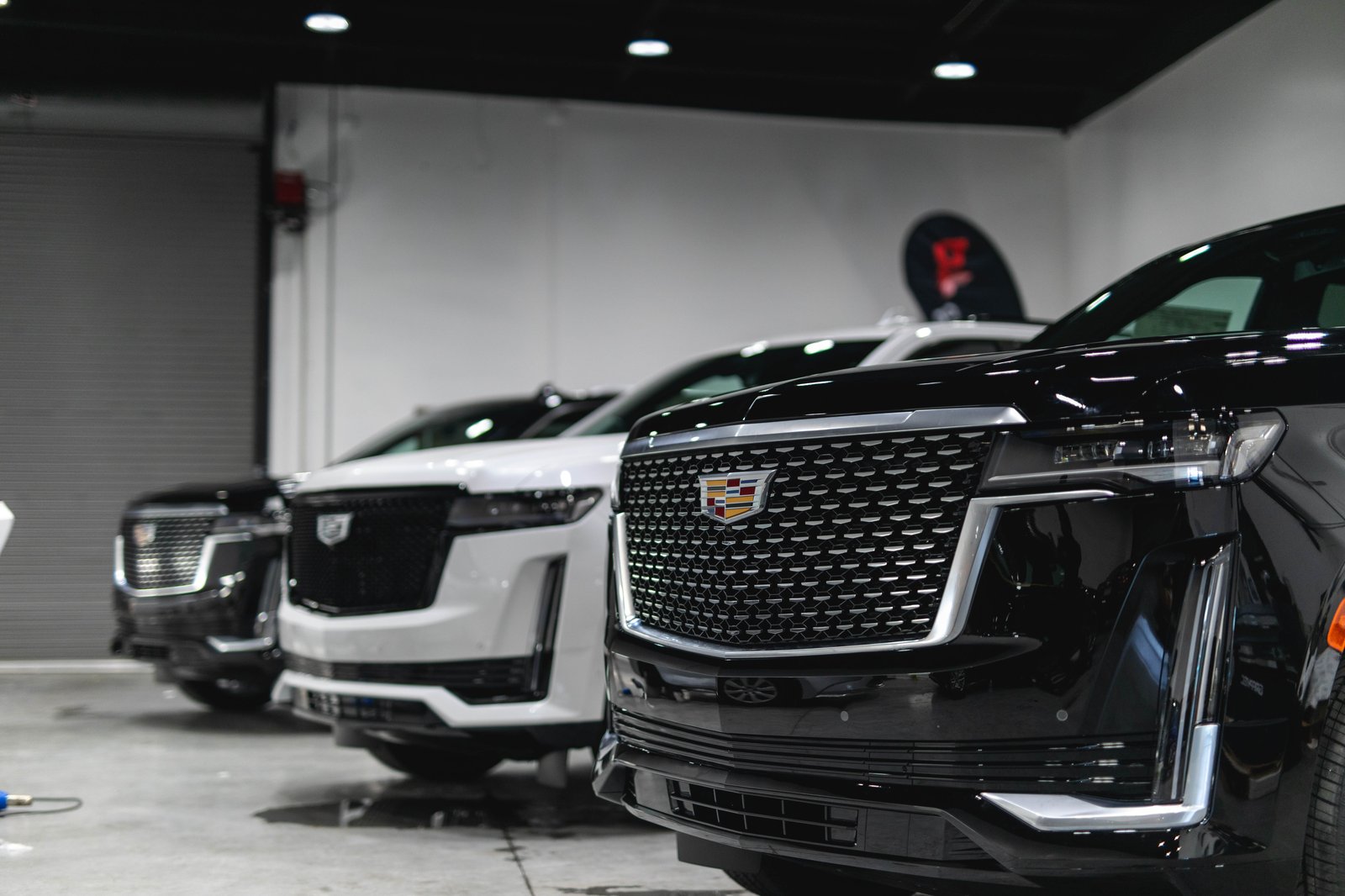
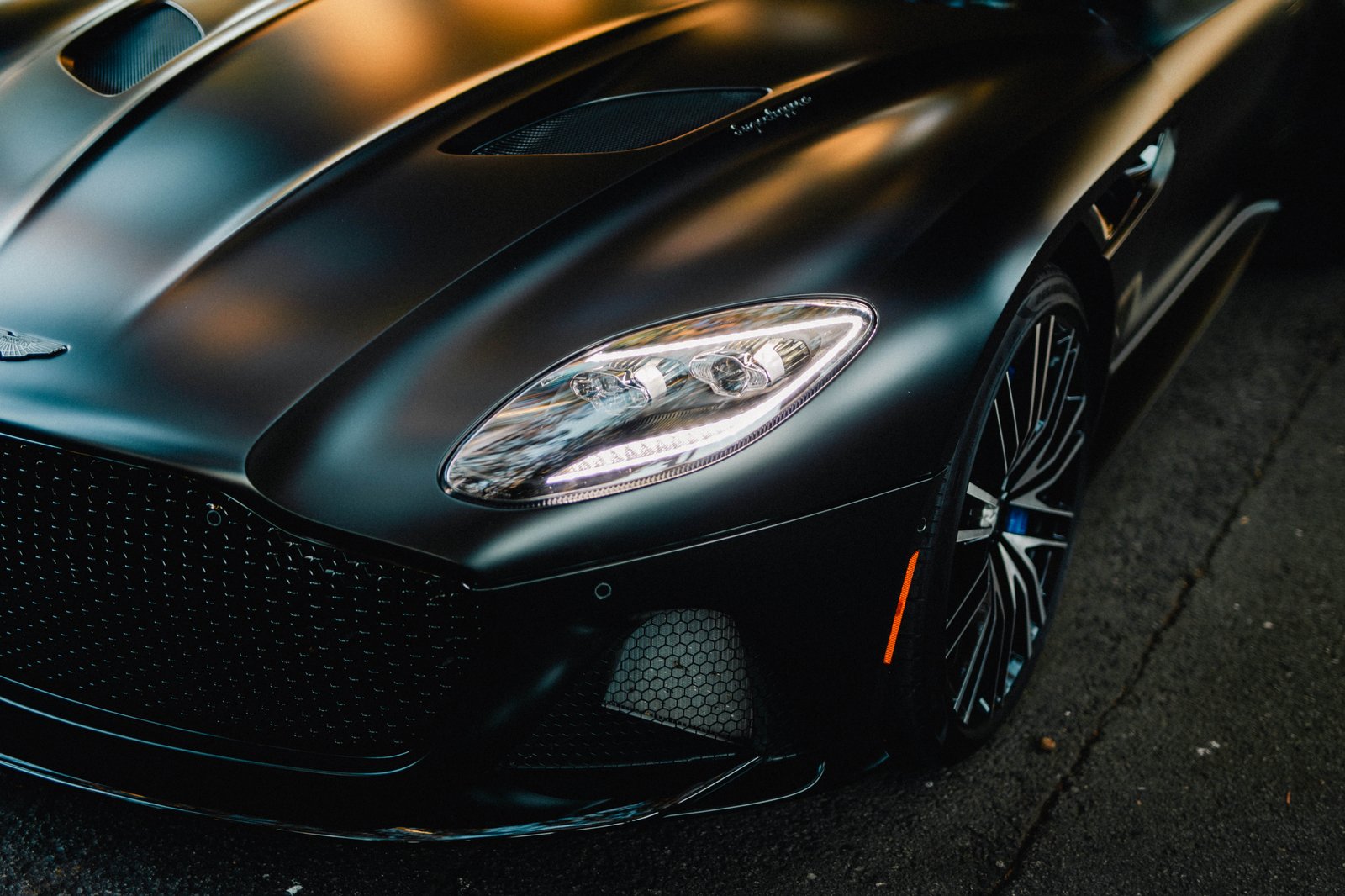
A customer walks in wanting paint protection film at a price below what quality work actually costs. They shop around, find someone who says yes, and drive away thinking they scored a deal. A week later, the hood of their white Tesla is covered in bubbles, wrinkles, and peeling black material that looks nothing like protection. That is not a horror story from the internet. It is a scenario the team at Graphix Lab in South San Francisco knows all too well. Cheap PPF installation does not simply fail to protect your car. It can actively damage the paint beneath it, leaving you with a bigger bill than a proper installation would have cost in the first place.
Key Takeaways
- Quality PPF installation requires certified technicians, professional-grade film, and precise application, not just any clear material pressed onto a hood.
- Poorly installed PPF bubbles, wrinkles, and peels within days, and the adhesive it leaves behind can damage your clear coat when removed.
- Removing a failed cheap PPF job often costs as much as, or more than, a proper installation would have.
- South San Francisco drivers face coastal salt air, Bay Area highway debris, and UV exposure that demand a film that actually bonds and holds long term.
- Graphix Lab uses certified film brands, plotter-cut templates, and warrantied installs on every vehicle that comes through the door.
The Setup: When “Cheaper” Becomes a Real Problem
The Graphix Lab team recently captured this exact situation in a short video, and the reaction from viewers confirmed what every professional installer already knows: the “can you do it cheaper?” conversation is a weekly occurrence in any serious shop. In the video, a customer requests PPF at a lower price. The crew plays along by applying what is clearly a crinkled plastic sheet to the car’s hood, squeegeeing it on with the same tools used for real film. The joke lands because anyone who has seen genuine PPF installed correctly can spot the difference immediately.
Real paint protection film is a multi-layer, optically clear urethane product. It is cut precisely with a digital plotter, laid flat by a trained hand, and should show no bubbles, no visible seams, and no wrinkles once cured. What budget “PPF” often turns out to be is something altogether different: a thin, unstable material that cannot conform to contoured bodywork, particularly on modern vehicles with complex curves like the Tesla Model Y, Model 3, or any current-generation luxury car.
Why Cheap PPF Fails on Your Car’s Paint
Paint protection film is not complicated to understand, but it is genuinely difficult to install correctly. The film itself is one factor. The person applying it, the tools they use, and the conditions of the shop are just as important to the final result.
Professional-grade PPF from certified brands requires a climate-controlled workspace, a plotter-cut template specific to your vehicle’s make and model, thorough surface decontamination before application, and a technician trained in proper slip solution management and squeegee technique. Budget installers frequently skip one or more of these steps. Some use off-brand film that lacks the self-healing topcoat that allows genuine PPF to recover from minor scratches when exposed to heat. Others apply film in dusty conditions or over panels that were not properly cleaned, trapping debris under the surface from the first day.
The result is not just cosmetic. When film does not bond fully, moisture works its way under the edges. A vehicle parked outdoors in South San Francisco, where coastal air carries salt and humidity year-round, accelerates that edge-lifting significantly. By the time bubbling becomes visible from a few feet away, the film may already be pulling adhesive off the clear coat every time the edge catches.
The Real Cost of a Bad PPF Job
A customer who pays a budget installer a low price to wrap their hood and sees the film fail within two weeks is not walking away with savings. They are walking into a sequence of additional costs that typically adds up like this:
| Step | What It Involves | Typical Cost |
|---|---|---|
| Remove the failed film | Heat application, adhesive remover, careful panel work to avoid scratching | $100 to $200 in labor |
| Assess paint damage | Inspect clear coat for adhesive transfer, marring, or lifting after removal | Included with removal |
| Paint correction if needed | Polish out adhesive haze or micro-scratches left by the failed film | $150 to $400 per panel |
| Proper PPF installation | Professional-grade film, plotter-cut template, warrantied install on a now-corrected panel | What you should have paid from the start |
A driver who spent a few hundred dollars trying to save money can easily end up paying double or triple that to restore the car to a state where proper film can go on cleanly. The “deal” costs more than the professional quote they passed on.
What a Professional PPF Installation Actually Includes
At Graphix Lab, every paint protection film installation begins with a full surface decontamination and panel inspection. The film is cut from a digital template for your specific vehicle model, not hand-trimmed freehand along the car’s edge. All work happens inside a clean, climate-controlled bay, not a parking lot or an unheated garage where dust and debris are in the air.
The shop holds certification with the United Application Standards Group and works with XPEL and other industry-grade film brands that carry manufacturer warranties. That warranty matters in practice: if the film develops yellowing, bubbling, or delamination as a result of the material itself rather than user damage, the manufacturer backs it. Budget brands carry no such protection, which means the customer carries all the risk.
Graphix Lab technicians are trained in the specific tolerances of each panel type. On complex surfaces like hood scoops, door cups, mirror housings, and A-pillar wraps, that training is the practical difference between a flat, invisible result you forget is there and the wrinkled disaster that inspired the video in the first place.
Why Bay Area Conditions Make Quality PPF a Real Investment
Drivers in South San Francisco and the surrounding peninsula deal with conditions that put paint under stress year-round. Highway 101 carries heavy commercial traffic that kicks up gravel and road debris at highway speed. Proximity to the Bay means persistent salt air that works into any paint chip or scratch that opens up. Morning fog creates repeated cycles of moisture and drying that test the edge adhesion of any applied film.
These are not conditions where marginal protection holds up. A film that bonds adequately in a dry inland climate may begin lifting at the edges within weeks of Bay Area coastal exposure. This is why Graphix Lab specifies film products rated for high-humidity and UV-intensive environments, and why proper application technique matters just as much as the product selected.
If your car lives in South San Francisco, Daly City, San Bruno, or anywhere along the peninsula corridor, the investment in proper protection pays back in preserved paint and repair costs that never happen. The gallery shows what correct installation looks like across a wide range of vehicles and coverage configurations.
Related Resources
- Paint protection film services at Graphix Lab
- Graphix Lab vehicle gallery: wraps, PPF, and tint
- Why delaying paint protection hurts your car’s value
- Tesla PPF options and color choices at Graphix Lab
- XPEL paint protection film, manufacturer and product range
- Book a PPF consultation at Graphix Lab
Common Questions About Cheap PPF and What It Does to Your Car
1. How much does quality PPF installation cost in South San Francisco?
Pricing varies by vehicle and coverage area. A partial front-end kit covering the hood, front fenders, bumper, and mirrors typically runs between $1,200 and $2,500 at certified Bay Area shops, depending on the film brand and vehicle size. A full-body installation on a Tesla Model Y or comparable vehicle runs higher. The range reflects genuine material costs and the labor hours required for correct application, not inflated margins.
2. What happens if PPF is installed incorrectly?
Incorrectly installed PPF bubbles, wrinkles, or lifts at the edges within days to weeks. Beyond looking bad, failed film traps moisture against the paint and can transfer adhesive residue to the clear coat when removed. In worse cases, removal requires paint correction before a proper installation can go on, adding significant cost to what started as a bargain job.
3. Can bad PPF be removed without damaging my paint?
It depends on how long the film has been on and how it was applied. Recently failed PPF from a budget install can often be removed with heat and adhesive remover without lasting damage to the clear coat. Film that has been on for several months, especially over paint that was not properly prepared at install, carries a higher risk of clear coat damage during removal. A professional shop will assess the adhesion carefully before attempting removal.
4. What PPF brands does Graphix Lab use?
Graphix Lab works with XPEL and other certified industry brands that carry manufacturer warranties against yellowing, delamination, and bubbling caused by film failure. All installations use digital plotter-cut templates specific to the vehicle model rather than hand-trimmed material applied freehand on the car.
5. Is PPF worth it compared to just waxing or using ceramic coating?
Wax offers minimal physical protection against rock chips and debris impact. Ceramic coating provides excellent chemical resistance and hydrophobic surface properties but is not designed to absorb physical impacts. PPF is the only option that physically absorbs the force of road debris, with a self-healing topcoat that closes minor surface scratches on exposure to heat. For Bay Area drivers who spend time on highways with heavy truck traffic, pairing quality PPF with a ceramic coating gives the most complete protection available.
Protect Your Paint Once, and Do It Right
The video that started this conversation is funny because it reflects a real pattern: the gap between a cheap PPF job and a professional one is not just a price difference, it is a visible, structural difference you can see from across the shop floor. Graphix Lab has built its reputation in South San Francisco by doing the job correctly the first time, using certified materials, and standing behind the work with a warranty. If your car is worth protecting, it is worth protecting with film that will still be flat, clear, and bonded six months from now.
Book your PPF consultation with Graphix Lab and see what a professional installation looks like in person.