
Professional window tinting is only as strong as the people who cut and seat the film. Bubbles, lifted edges, uneven shade, and glare that never quite settles are usually installer problems, not product problems. If you are comparing a window tint shop for Bay Area driving, start with process, proof of past work, and legal guidance, not only the brand printed on the roll.
Graphix Lab built that standard at 173 S Spruce Ave in South San Francisco. The shop is a 3M Certified Graphics Installation Company that also works with XPEL and Ceramic Pro systems. Drivers who want window tint in San Francisco and the wider Peninsula keep coming back for ceramic film, chrome delete, PPF, and wraps because the finish holds up on real roads, not only on pickup day.
Key Takeaways
- Professional window tinting splits value evenly between film grade and install skill.
- California window tint laws restrict front glass, so legal guidance belongs in the quote.
- Ceramic window tint rejects more heat and UV than dyed bargain film on Bay Area days.
- Reviews that name staff and show finished cars beat empty five-star fluff.
- Tint pairs cleanly with chrome delete and PPF when one shop owns the full plan.
What the Best Tint Jobs Have in Common
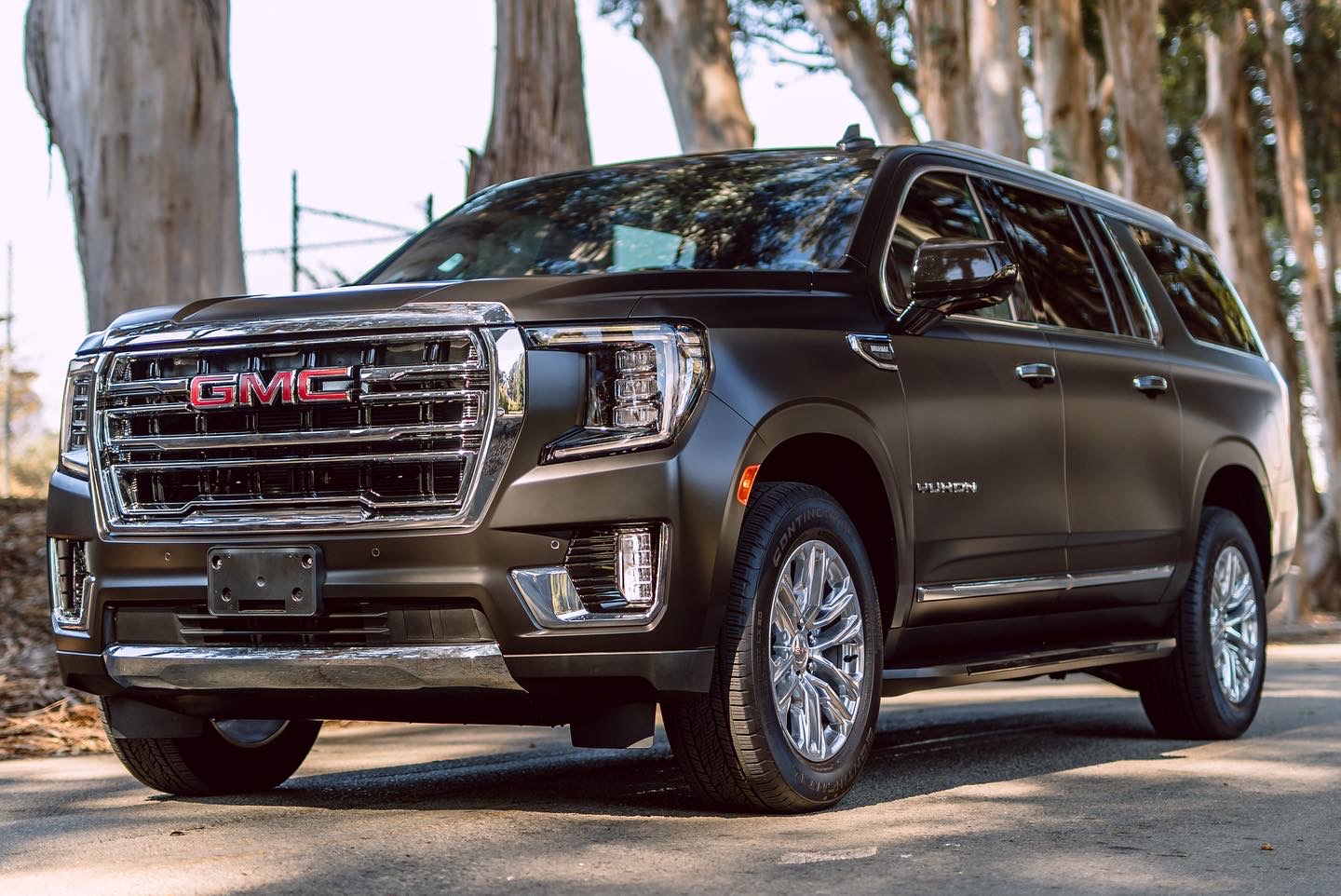
Walk any parking lot near Sign Hill or along the 101 corridor and you can spot the difference in seconds. A clean job has even shade across every pane, sharp cut lines at the seals, and glass that stays free of haze after heat cycles. A weak job shows dust under the film, peeling near defroster lines, or a windshield strip that looks thicker on one side than the other.
Those details come from controlled lighting, proper glass prep, correct adhesive activation, and enough time to work edges without forcing the film. At Graphix Lab, that discipline shows up across passenger cars, trucks, and higher-end builds. The same hands that tint glass also handle vinyl and protection film, which keeps multi-service jobs consistent.
Google reviews regularly name Leo and the front desk, praise clear pricing, and call out chrome delete with tint, ceramic sets, and PPF with no dust or lifted edges. That pattern matters more than any single star rating.
California Window Tint Laws Belong in the Quote
California window tint laws under Vehicle Code Section 26708 set tight limits on aftermarket film at the front of a vehicle. Darkened film on the front side windows is heavily restricted. Clear, colorless UV film that still meets visible light requirements may be allowed on those panes. Rear side glass and the back window have far more room, as long as outside mirrors give a proper rearward view.
A serious window tint shop explains this before you book, not after a citation. The goal is a look that fits your car and still keeps you legal on Peninsula freeways. Graphix Lab’s window tint services include that guidance so you do not leave with a shade that looks right in the bay and fails at a checkpoint.
If you already carry illegal film from another installer, ask about removal and a legal rebuild. Fixing a bad front set is cheaper than stacking tickets and still driving with glare and heat that never improved.
| Glass area | Practical California note |
| Windshield | Only a limited top strip under seat-height rules; full darkened windshield film is not allowed. |
| Front side windows | Dark aftermarket film is tightly limited; clear UV film may qualify when light transmission stays legal. |
| Rear side windows | Much more freedom on darkness level behind the driver. |
| Back glass | Generally open on darkness when dual outside mirrors provide the required rear view. |
Ceramic Window Tint vs Cheap Film on Bay Area Days
South San Francisco weather swings hard. Morning fog near the bay can give way to hard sun on I-280 by lunch. Dyed films darken the glass and stop some glare, then fade, turn purple, and still leave the cabin hot. Ceramic window tint uses non-metal particles that reject more infrared heat and block a high share of UV without choking phone or GPS signals.
That is why many local drivers ask for ceramic sets when they book professional window tinting for Bay Area heat. Cooler seats, less AC load, and interiors that hold color longer are the everyday payoff. Privacy on rear glass helps when you park near BART or busy lots.
Cut quality still decides whether those benefits last. Window tint bubbles, haze, and peeling show up when prep is rushed, even on a premium ceramic roll.
How to Read Reviews Without Getting Fooled
Star averages help, but the body of each review tells you more. Look for:
- Specific services named: ceramic tint, chrome delete, PPF, full wrap.
- Staff names and how problems were handled after pickup.
- Photos of finished cars in daylight, not only dim garage shots.
- Repeat customers who brought a second vehicle.
- Notes on appointment timing, communication, and price clarity.
Graphix Lab’s public feedback fits that pattern. Owners praise communication before the job, clean installs, and a team that fixes small issues without argument when something needs a second pass. Another recurring theme is talking through options instead of being pushed into the darkest film on every pane.
When a shop will not show recent work, skips legal limits, or undercuts every certified installer by a wide margin, treat that as a signal. Cheap film and rushed labor often cost more after a redo.
Pairing Tint With Chrome Delete and Paint Protection
Many drivers want a full stealth package, not tint alone. A chrome delete blacks out bright trim so the glass shade and body lines match. Paint protection film on the hood, fenders, and bumper nose takes rock chips that Bay Area freeways throw every week. Ceramic coating then makes wash days faster.
Doing those pieces at one location keeps color, gloss level, and cut quality aligned. Graphix Lab’s portfolio covers color change wraps, commercial fleet branding, PPF, ceramic coating, light tints, and window film under one roof. That matters when you want Mercedes, BMW, or Tesla glass and trim to read as one finished build.
If your plan is staged, ask the shop to map the order. Tint and chrome delete often land together. Full PPF may come first on a new car so the film sits on clean factory paint.
What a Visit to Graphix Lab Looks Like
The shop sits at 173 S Spruce Ave in South San Francisco, with weekday hours from 9:00 am to 5:30 pm and Saturday hours from 9:00 am to 2:00 pm. Sunday is closed. You can reach the team at graphixlabsf@gmail.com or 1 (415) 999-7080 to book.
Expect a walk-through of shade options against your glass, a legal check for front panes, and a clear scope for any add-ons. Bring photos of looks you like. If you already run PPF or a wrap, say so, because film edges need care around existing work.
After install, give the film the cure window your installer specifies before rolling windows fully down or running automatic car washes. If something looks off during that window, call the shop early so a corner can be fixed before the adhesive fully sets.
Related Resources
- Vehicle Chrome Delete, Light Tints & Ceramic Coating Services South San Francisco, CA – Graphix Lab LLC
- Beat the Bay Area Heat: Why Professional Window Tinting is a Must for Your Car
- Window Tinting That Does More Than Look Cool: How Graphix Lab Takes Your Vehicle’s Protection to the Next Level
- Paint Protection Film: Consider It Paint Insurance For Your Ride
- Difference at Graphix Lab
- ABOUT US – graphixlab
- California Vehicle Code Section 26708
Frequently Asked Questions
How long does professional window tinting usually take?
Most passenger cars finish in a few hours once glass is prepped and the film is cut. Full ceramic sets, large SUVs, or jobs combined with chrome delete can take longer. Ask for a time window when you book so pickup planning stays realistic.
Is ceramic tint worth it over standard dyed film?
For Bay Area heat, UV load, and signal clarity, ceramic film is the stronger daily driver choice. It costs more up front and usually holds color and heat rejection longer than dyed film that fades and warms the cabin.
Can Graphix Lab match tint with a chrome delete on the same visit?
Yes. Many customers book both so the glass shade and blacked-out trim land as one look. Confirm the sequence during the quote so cure times and handling rules stay clear.
Will dark tint on my front windows pass California law?
Dark aftermarket film on front side windows is heavily restricted under Vehicle Code Section 26708. Clear UV film may qualify when light transmission stays legal. A shop that knows local rules will steer you before installation.
What should I do in the first days after tint is installed?
Follow the cure guidance from your installer. Keep windows up as directed, avoid automatic washes until cleared, and report any lifting or haze early so the shop can correct it while the adhesive is still settling.
Book Professional Window Tinting You Can Trust
Not every bay will treat your car the same way, and that is the point. Film brands matter, but so do cut quality, California compliance advice, and a team that answers when a corner needs attention. If you want professional window tinting with ceramic options, a proven window tint shop process, chrome delete, and protection film under one certified roof, schedule a visit with Graphix Lab in South San Francisco and bring the car you actually drive every day.