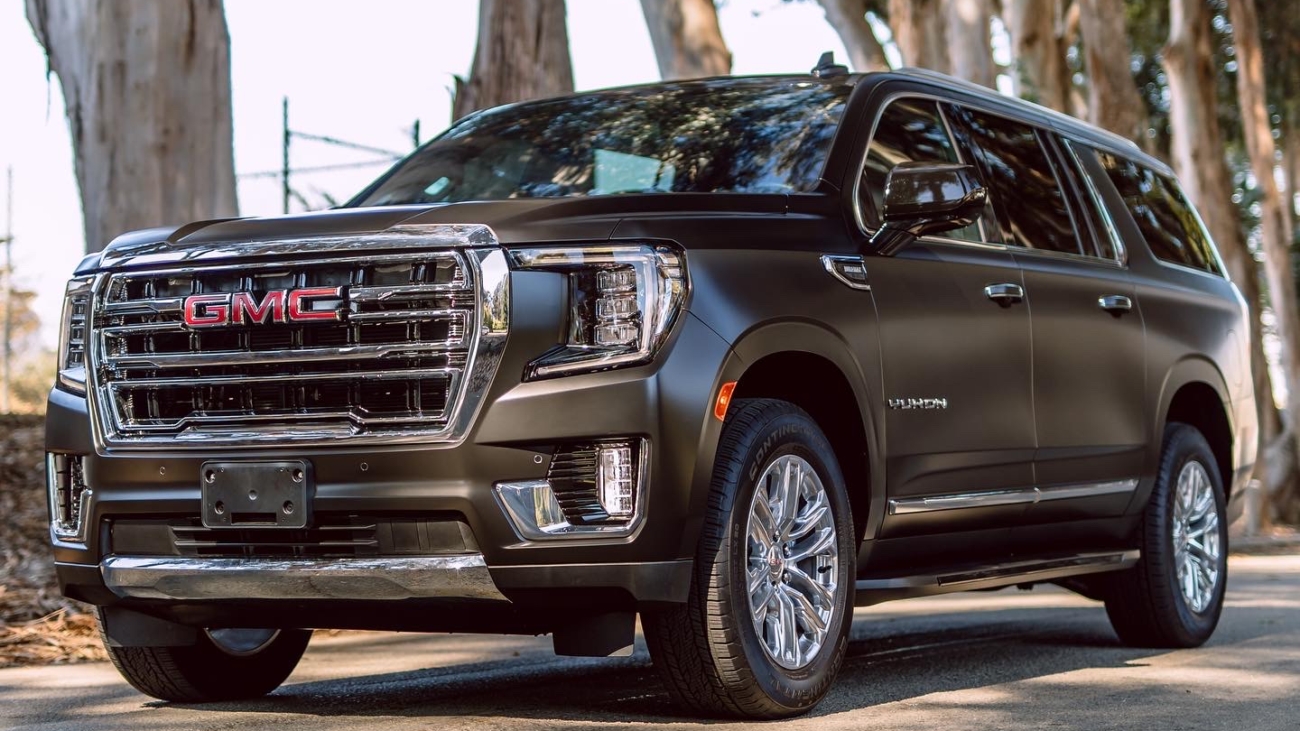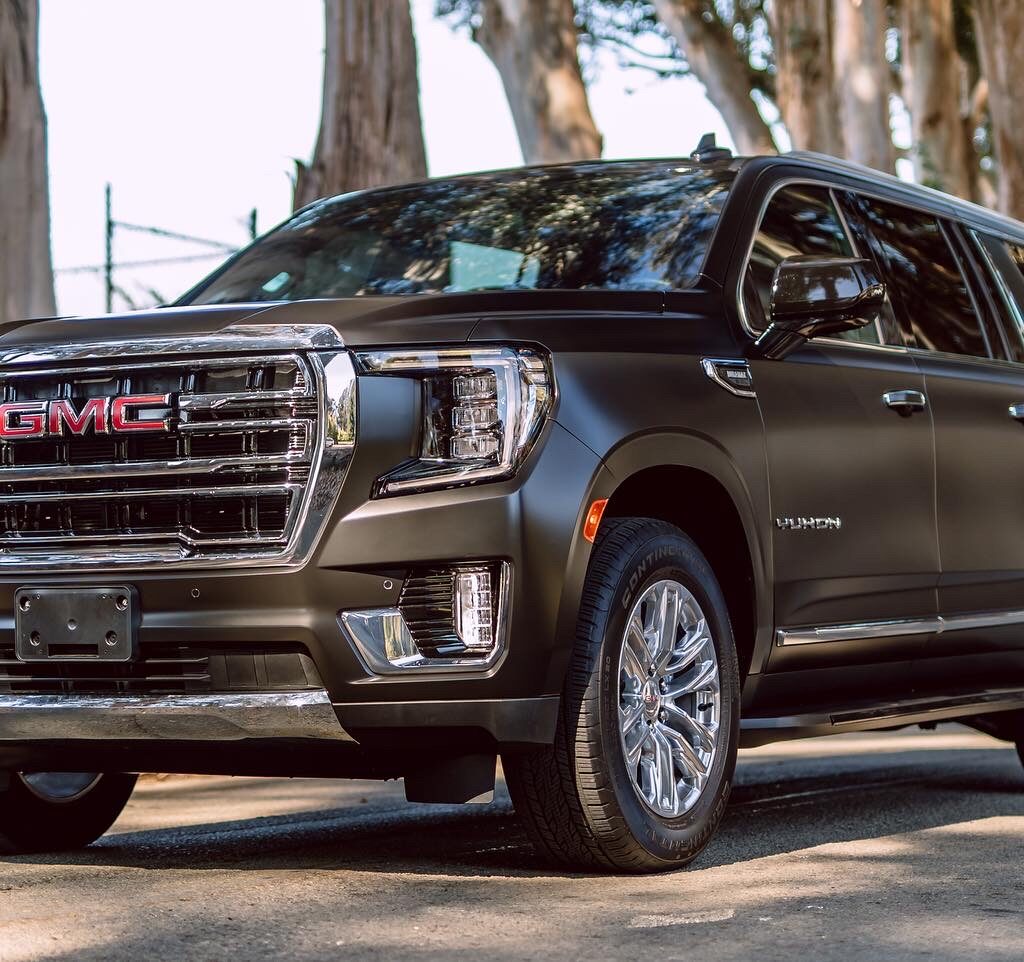
Color PPF vs vinyl wrap is the question every new Cybertruck owner in the Bay Area eventually asks, and the honest answer depends on thickness, finish and how long you plan to keep the truck. Graphix Lab recently installed full gloss black and satin black paint protection film on a Tesla Cybertruck at the South San Francisco shop, and the team compared the film to a standard vinyl wrap while the work was under way. Here is what that install showed, and how to choose between the two for your own truck.
Key Takeaways
- Color PPF is made from thermoplastic polyurethane (TPU), a thicker material than vinyl, so it gives a nicer finish and better durability.
- Installing color PPF takes longer than installing a vinyl wrap, and that extra time is the main trade-off.
- A vinyl wrap is the better pick when you want a reversible color change at lower material thickness and plan to switch looks.
- Bay Area water, humidity and rain affect how long a finish stays clean, which favors a tougher film for daily drivers.
- Graphix Lab installs both gloss black and satin black color PPF, and matches window tint to the same vehicle in one visit.
What Is the Difference Between Color PPF and a Vinyl Wrap?
Color PPF is paint protection film that carries its color in the film itself, while a vinyl wrap is a thinner color film with little impact protection. Both change how a truck looks. Only one of them was built to take a hit from road debris.
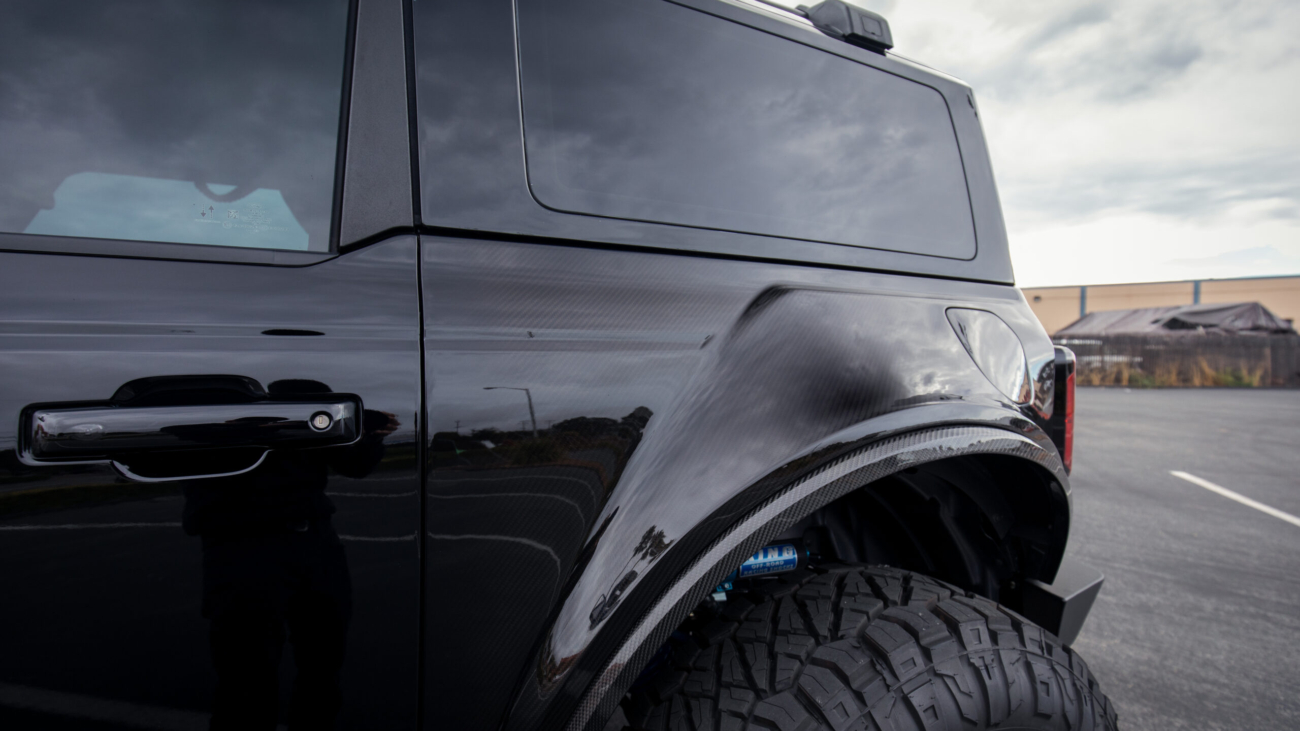
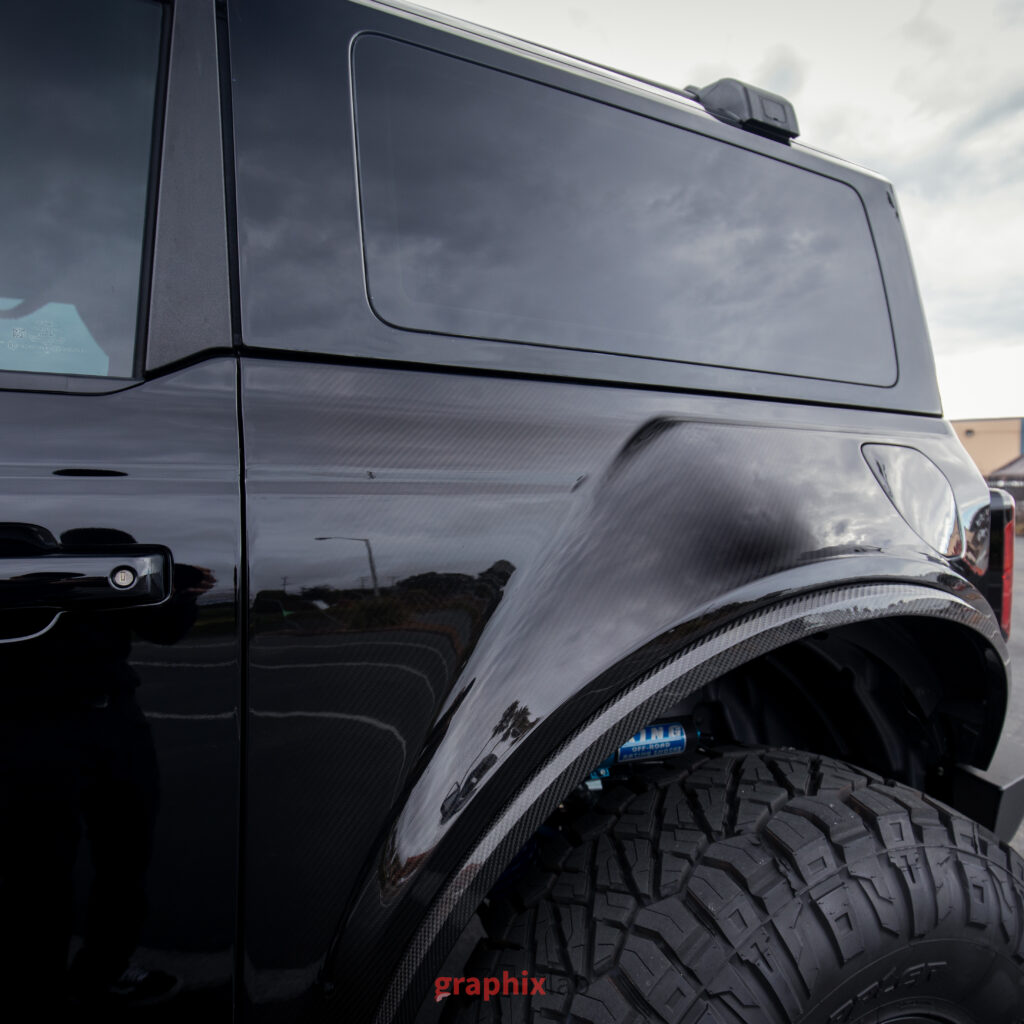
Graphix Lab’s installer explained the shift happening in the industry: the market is improving, so instead of doing a vinyl color change, owners can now choose color PPF. The film is made from TPU, short for thermoplastic polyurethane. That material is a lot thicker than vinyl, and the thickness is what drives the better shine and durability the team pointed out while touching the finished door panel.
In an earlier post on color PPF on a Tesla Model X, the shop put the film at roughly 8 mils thick and described a rated life of 7 to 10 years, compared with 3 to 5 years for typical vinyl. The same post notes that minor swirl marks can fade with heat, because PPF self-heals. A standard vinyl wrap does not do that.
Why Is the Cybertruck a Good Test for Color PPF?
The Cybertruck is a good test because its body is made of flat, unpainted stainless steel panels, which means there is no factory paint to match and every surface shows film quality clearly. According to the Cybertruck overview on Wikipedia, the truck’s angular design is built around those stainless steel body panels.
Large flat panels make film quality easy to judge, and any lifted edge or trapped speck stands out under shop lighting. In the video, the finished doors reflect the ceiling lights in a deep black gloss, which is the result owners want to see before they sign off.
How Does a Color PPF Install Work on a Cybertruck?
A color PPF install starts with film cut to fit the panels and ends with careful hand work at every edge. In the Graphix Lab footage, the team spreads full gloss black PPF across a work bench, measures it with a tape and marks it with a pen before it goes on the truck. Green masking tape sits beside the film for edge work.
After the gloss black work, the team moves on to a satin black finish, with a technician lifting and laying the film onto the panel by hand. The shop’s guide to how paint protection film is applied covers the cleaning, polishing, cutting and curing steps that surround that moment.
Because TPU is thicker than vinyl, it takes more patience around curves and door edges. That is why the installer said a color PPF job takes a lot longer than a regular vinyl wrap.
Color PPF vs Vinyl Wrap: Side-by-Side Comparison
The table compares the two options on the points the Graphix Lab team raised on camera, plus figures from the shop’s published color PPF guide.
| Factor | Color PPF | Vinyl wrap |
| Material | Thermoplastic polyurethane (TPU) | Vinyl |
| Thickness | Roughly 8 mils, a lot thicker | Thinner than PPF |
| Finish | Deep shine in gloss, softer look in satin | Gloss, satin, matte, chrome and more |
| Durability | Better; rated 7 to 10 years by the shop | Usually 3 to 5 years |
| Self-healing | Yes, light swirls fade with heat | No |
| Install time | A lot longer | Shorter |
Why Does Bay Area Weather Matter When Choosing a Film?
Bay Area weather matters because water, humidity and rain all land on the car, and they affect how well a finish holds up and how clean it stays. The Graphix Lab installer made the point directly: with a lot of rain on the car, water and humidity affect your choice of film, and a tougher PPF helps your truck stay as clean as possible most of the time.
Road conditions add to it. In its guide on PPF as paint insurance, the shop lists rock chips, swirl marks, bird droppings and environmental contaminants as the everyday threats a film is meant to absorb. A color film that also resists those hazards gives a Cybertruck owner two jobs done by one install.
Should You Choose Gloss Black or Satin Black PPF?
Choose gloss black PPF for a mirror-like, wet-look shine, and choose satin black PPF for a softer, lower-sheen look that still carries the same protective film. Graphix Lab installed both on this Cybertruck, starting with full gloss black and following with a satin black finish.
The team also set up the rear of the truck to show how the logo looks in a satin finish, and promised a follow-up video on the result. That is a useful habit to copy: ask any shop to show a sample or a finished panel in the exact finish before you commit, because black films read differently under shop lights, in sunlight and at night.
Can You Match Window Tint to the Same Install?
Yes, window tint can be done in the same visit, and doing it together helps the glass and the body film look like one planned design. On the Cybertruck, Graphix Lab also installed window tinting and matched the tint to the manufacturer’s look.
The shop’s post on window tinting for Bay Area heat covers heat rejection, UV protection and privacy.
How to Decide Between Color PPF and a Vinyl Wrap
Decide by asking how long you will keep the truck, how much wear it will see and whether you want a reversible color.
- Pick color PPF if you plan to keep the truck for years, drive it daily and want a thicker, self-healing film with a stronger finish.
- Pick a vinyl wrap if you want the widest range of colors and finishes, a faster install and an easy way to change the look later. The shop’s guide to the full color change wrap shows what that route looks like.
- Ask for quotes on both and compare the total with the lifespan you expect.
Where Can You Book a Cybertruck PPF Install in the Bay Area?
Graphix Lab is a certified installer at 173 S Spruce Ave in South San Francisco, CA 94080, open Monday to Friday from 9:00 am to 5:30 pm and Saturday from 9:00 am to 2:00 pm. The shop lists certification with the United Application Standards Group and offers paint protection film, color change wraps, window tint and more on its services page.
To plan a Cybertruck install, call 1 (415) 999-7080 or use the contact page, and ask to see the film in person first.
Related Resources
- Color PPF options on a Tesla Model X
- How paint protection film is applied
- What a PPF warranty covers
- Full color change wrap basics
- Graphix Lab services
- Tesla Cybertruck overview
- United Application Standards Group
Frequently Asked Questions
Is color PPF better than a vinyl wrap?
Color PPF is better for durability and finish, because it is made from thicker TPU and is rated for a longer life than vinyl. A vinyl wrap is better when you want more color choices, a quicker install or an easy reversal. The right pick depends on how long you keep the vehicle.
Can you put color PPF on a Tesla Cybertruck?
Yes. Graphix Lab installed full gloss black and satin black color PPF on a Tesla Cybertruck at its South San Francisco shop. The team also matched window tint on the same truck.
How long does color PPF last?
Graphix Lab describes color PPF as rated for 7 to 10 years, against 3 to 5 years for typical vinyl. Actual life depends on the brand, storage and washing, so ask for the written warranty.
Does color PPF take longer to install than vinyl?
Yes. The Graphix Lab installer said a color PPF job takes a lot longer than a regular vinyl wrap, because the TPU film is thicker and needs more careful handling around panel edges and curves.
Does color PPF self-heal?
Yes. Color PPF carries the same self-healing surface as clear PPF, so light swirl marks can fade when sun or warm water heats the film. Deeper cuts will not heal.
What is the difference between gloss black and satin black PPF?
Gloss black PPF gives a deep, mirror-like shine, and satin black PPF gives a softer, lower-sheen look. Both use protective film, so the choice is about appearance.
Is color PPF worth it?
Color PPF is worth it if you plan to keep the vehicle for several years and want color and protection from one film. If you expect to change colors often or sell soon, a vinyl wrap may suit you better.
Pick the Film for How Long You Will Keep the Truck
The Cybertruck install made the trade-off plain: color PPF costs more time up front and returns a thicker, better-finished, more durable film, while vinyl stays the flexible choice for people who like to change their look. For a daily driver in the Bay Area, where rain, humidity and road debris all reach the paint, the tougher film earns its place. Call Graphix Lab on 1 (415) 999-7080 to book a consultation and see gloss and satin black PPF in person.